


On this page
At a Glance
Not all split ends are the same - and knowing which type you have tells you a lot about your hair's overall health. Our guide covers the four most common types: double splits (caused by friction and over-styling), partial splits (early-stage dryness that can still be treated), tree splits (extensive damage that signals it's time for a trim), and fork splits (severe dehydration causing multi-directional splitting). Regardless of type, routine trims every six to eight weeks are the most effective long-term solution for keeping hair healthy and breakage-free.

Between washing, drying and styling, the average woman spends 240 hours a year—a whole 10 days—working on her hair. And despite all this time spent primping, many of us still face the annoying reality of split ends.
Split ends are inevitable, and they’re a clear sign that it’s time for a trim. But not all types of split ends are the same. Each one tells you something different about your hair health and what’s causing the damage. Here are the four most common types: double splits, partial splits, tree splits, and fork splits.

The Double Split

The double split is the most common and most recognizable type of split end. It happens when the hair’s cuticle is worn or damaged, exposing the weaker cortical cells underneath. Once exposed, the hair splits in two under strain.
What causes double split ends? Most often, friction. Brushing or styling too vigorously can wear down the cuticle quickly. Tossing and turning in your sleep with hair tied up or tangled can also cause breakage.
How to reduce them: Sleep on a silk pillowcase, detangle hair before bed, and apply a hair serum to minimize friction damage.
The Partial Split
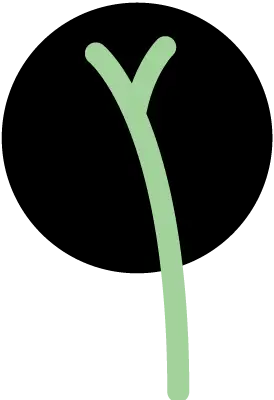
Partial splits are a sign that your hair is dry and damaged, but the good news is you still have time to repair it before the damage gets worse. Unlike double splits, these are an early warning sign rather than the result of sustained wear.
How to fix partial split ends: Limit heat exposure, and always use a leave-in conditioner and heat protectant when styling. Many salons now offer split end treatments that bind the hair back together, lasting up to two months.
How to prevent them: Apply a hydrating hair mask at least once a week, and reduce the frequency of heat styling.
The Tree Split

Tree splits signal extensive hair damage. When a strand frays into three or more branch-like splits, it means the cortical cells have sustained significant wear. Extremely dry hair can split into six or seven parts.
Can tree split ends be repaired? No. The only solution is a trim. Tree splits are rarely an isolated occurrence; if you spot one, you’re likely to find double and partial splits as well.
How often to trim: Cut at least a few inches every six to eight weeks to prevent tree splits from forming.
The Fork

Fork splits resemble a three-pronged fork and fall between a double split and a tree split in terms of severity. They’re a sign of extreme dehydration, where hair splits further due to a lack of moisture.
The more splits a single strand has, the more unruly and frizzy it will look. Fork splits can’t be fixed without cutting, but you can manage frizz caused by split ends with deep conditioners, hair masks, and leave-in treatments.
What Causes Split Ends?
Split ends form when the protective outer layer of hair (the cuticle) wears away, exposing the fragile inner structure. The most common causes include:
- Heat damage from blow dryers, flat irons, and curling wands
- Over-brushing or brushing wet hair too aggressively
- Chemical processing such as bleaching, coloring, or perming
- Environmental exposure including sun, wind, and dry air
- Friction from rough pillowcases, tight hair ties, or over-styling
If you’re noticing split ends frequently, it usually means one or more of these factors is affecting your hair on a regular basis.
How to Prevent and Treat Split Ends
While you can’t truly repair a split end once it’s formed, you can prevent new ones and manage existing damage:
- Trim regularly. Every six to eight weeks is the most effective long-term solution. Even if you’re growing your hair out, regular trims prevent breakage at the ends.
- Use heat protectant. Always apply before blow drying or using hot tools.
- Deep condition weekly. A hydrating hair mask restores moisture and strengthens strands.
- Switch to a silk pillowcase. Reduces friction damage while you sleep.
- Avoid over-brushing. Use a wide-tooth comb on wet hair, and be gentle.
- Try a split end treatment. Salon-grade bonding products can temporarily seal partial splits for up to two months.
For professional guidance on keeping your hair healthy, visit the Ogle School Salon or explore our cosmetology program to learn these techniques hands-on.
If you’re passionate about hair care and think you have what it takes to be a top-notch stylist, request more information about Ogle School’s cosmetology program today!
What do split ends look like?
Split ends appear as frayed, separated, or forked tips at the end of a hair strand. The most common type, the double split, looks like a Y-shape. More severe damage can show as tree-like branching (tree splits) or three-pronged forks (fork splits). Holding a single strand up to the light makes them easier to spot.
Can you fix split ends without cutting?
Once a strand has fully split, the only permanent fix is trimming. However, partial splits can be temporarily repaired with bonding treatments or deep conditioners that seal the cuticle. Regular moisturizing and minimizing heat exposure can prevent further splitting.
How often should you trim to prevent split ends?
Most stylists recommend trimming every six to eight weeks. If you’re growing out your hair, ask your stylist to trim just the minimum needed to remove damaged ends. This prevents breakage from traveling up the hair shaft.