

On this page
How do cosmetology programs help students decide on a beauty career focus? Modern cosmetology programs use a structured blend of core technical training, hands-on salon training, and specialized instructor mentorship to help students narrow down their professional niche. By guiding future professionals from baseline theory to live client interactions, these programs turn broad creative curiosity into a targeted career path.
Step 1: Broad Exposure Through Core Training
The journey to finding your unique beauty specialization selection begins with a comprehensive, foundational cosmetology curriculum. While most students enter beauty school with a strong desire to become entrepreneurs, gain flexibility, and successfully manage themselves, discovering exactly where to build that business is a process. High-quality cosmetology programs do not force you to choose a path on day one; instead, they expose you to the full spectrum of the industry, including haircutting, advanced styling, skincare fundamentals, nail technology, and essential sanitation protocols.
This initial phase acts as a discovery period. As you learn the science and mechanics behind different services, you will naturally uncover your innate strengths and interests. For instance, you might find that the geometry of a precision haircut clicks instantly, or you may discover a passion for the biological, cellular side of skincare. This broad exposure ensures your ultimate career direction is backed by genuine familiarity with all facets of the craft.
Step 2: Transitioning to Hands-On Client Practice
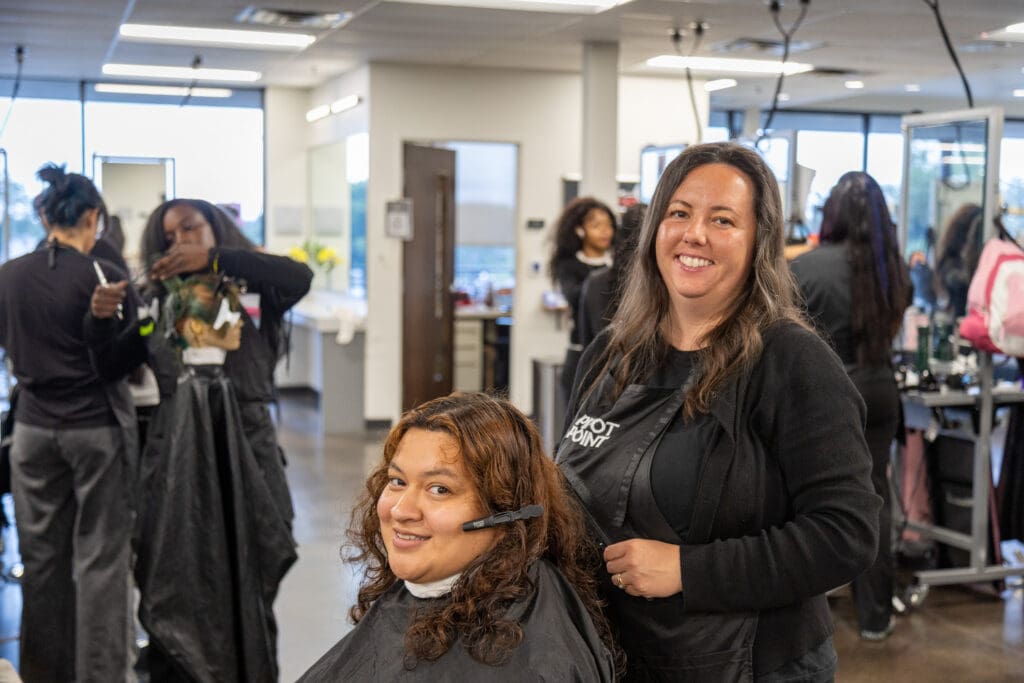
Theory and mannequin work can only take you so far. The true breakthrough in your career planning and guidance occurs when you step off the clinic floor and transition to a real-world, student-powered salon environment.
Working on real, paying clients introduces dynamic variables that mannequins simply cannot replicate, such as distinct hair textures, unique skin tones, and individual client personalities. The real-time feedback you receive from a diverse clientele is incredibly clarifying. It filters out the noise and highlights the exact skills you will need to master.
Step 3: Leveraging Instructor Guidance & Technical Feedback
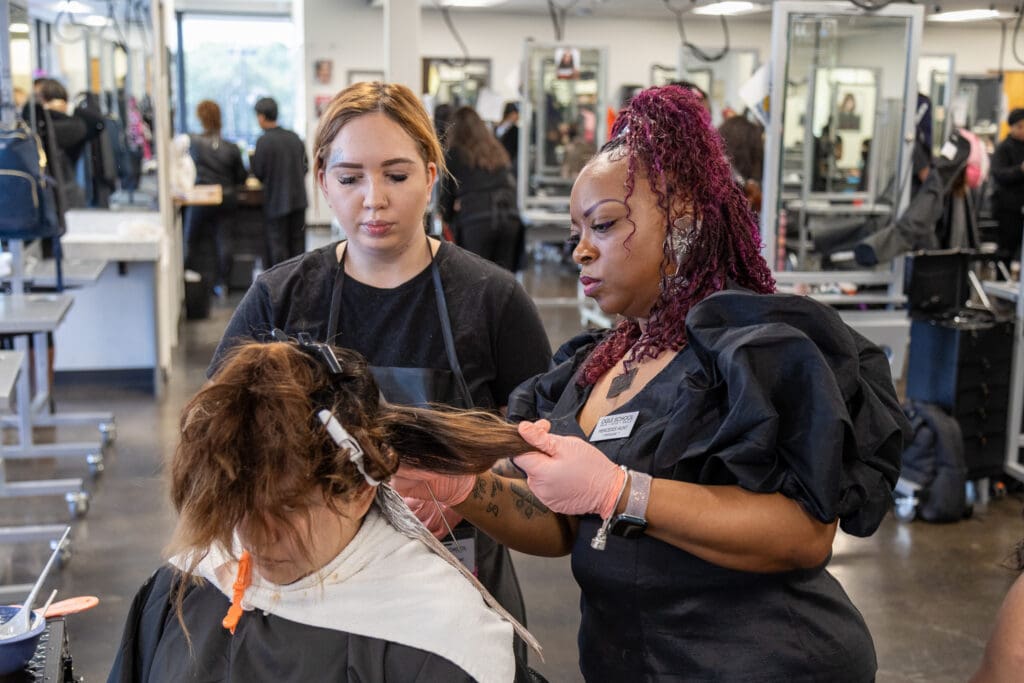
While personal intuition is vital, professional alignment requires an objective eye. Seasoned beauty educators spend hours observing your technique, pacing, and artistic instincts. Instructors are trained to identify subtle creative strengths that you might overlook, such as an innate eye for color formulation, an exceptional speed during busy rushes, or meticulous precision during structured hair styling.
Through structured, one-on-one technical feedback, mentors can help guide your career path. An instructor might note, “Your updos show editorial-level structural balance; have you considered high-end bridal or fashion styling?” This active mentorship bridges the gap between raw student talent and strategic career positioning.
Step 4: Advanced Modules and Specialized Skills
Once your foundational skills are secure and your preferences begin to crystalize, award winning programs like Ogle School allow you to lean into deeper technical modules. These advanced electives let you test drive potential specialties before entering the competitive job market.
Depending on your school’s tracks, you can choose to dive deeply into:
- Advanced Hair Coloring: Master complex balayage, color corrections, and vibrant vivids.
- Makeup Artistry: Explore editorial, theatrical, or bridal makeup application techniques.
- Advanced Esthetics: Learn advanced skincare treatments, chemical peels, holistic wellness therapies, clinical esthetics training.
Immersing yourself in these specialized micro-credentials helps lock in your ultimate focus, giving you both the confidence and the technical edge needed to stand out to premium employers.
Career Track Breakdown Table
| Beauty Specialization Niche | Projected Job Growth (2024–2034) | Core Market Drivers | Primary Revenue Models |
| Hair Colorist & Stylist | 5% Growth (Faster than average) | High demand for chemical texturizing, customized balayage, and trend-driven services. | Commission Salon, Booth Rental, Independent Salon Suite Owner |
| Medical / Clinical Esthetician | 7% Growth (Much faster than average) | Driven by consumer desire for advanced anti-aging treatments, chemical peels, and skin health. | Plastic Surgery Practices, Medical Spas, Wellness Centers |
| Editorial & Bridal Makeup Artist | Steady Demand | Fueled heavily by social media platforms, high-end bridal booking cycles, and commercial media production. | Freelance Entrepreneur, Film/TV Guilds, Luxury Brand Agency |
Step 5: Building a Specialized Portfolio
The final step in nailing down your beauty focus is documenting your transformation. As you progress through your advanced training, you will deliberately curate and build a professional digital portfolio that highlights your chosen niche.
If your goal is to become a master colorist, your portfolio should heavily feature clean, well-lit “before and after” shots of dimensional balayages and intricate foil placements. If your interest lies in bridal styling, your look book should showcase crisp updos and clear finish work. Visually organizing your best student projects can do more than just secure a job interview after graduation, it actively markets your specific brand to the exact cosmetology career opportunities you want to attract.
Navigating the Beauty Industry’s Economic Outlook
When planning your trajectory, matching your passion with macroeconomic data ensures sustainable business growth. According to the U.S. Bureau of Labor Statistics, employment for hair professionals is projected to grow by 5% through 2034, adding roughly 84,200 consistent job openings annually due to industry replacement needs. Specialized skincare specialists are expanding even faster at a 7% projected growth rate, driven heavily by mini-sessions, mobile skin health consultations, and advanced clinical grooming demands. With approximately 48% of beauty professionals operating as self-employed entrepreneurs, mastering a localized technical niche is now a statistically backed strategy for long-term financial freedom.
Bridging the Gap Between Foundational Training and Career Success

Building a specialized portfolio isn’t just an academic exercise; it is the exact catalyst that transforms a student into an industry disruptor. Take the story of Aritza Caneiro, a recent graduate from Ogle School’s North Houston campus. By pairing her 100% attendance and relentless work ethic with a high-quality digital portfolio, Aritza caught the attention of industry giants and was selected for the prestigious Redken Symposium Mentorship with Sam Villa. Out of a massive national pool of applicants, her documented passion and clean technique proved that the right preparation opens global doors. Your own journey from foundational training to a headline-making career starts with enrolling in the right program. Request more information about our cosmetology program today, and let’s start building your success story.
Connecting with the Right Professional Opportunity
Nailing down your unique beauty specialization is only half the equation; the real magic happens when you connect that niche with the right professional opportunities. This is where a dedicated support system makes all the difference. Through robust on-campus initiatives, future beauty professionals gain direct access to comprehensive career services. From resume coaching and digital portfolio building, to exclusive weekly networking events like Power Hour and large-scale career fairs, students are consistently paired with top-tier local salons, medspas, and beauty brands. By integrating career development into the foundational training from day one, high-quality programs ensure you are fully equipped to step into a thriving, high-intent beauty career.