

On this page
Most hair care routines focus on the hair itself, but the skin underneath deserves equal attention. A professional scalp treatment is a salon service designed to clean and care for the scalp. Looking at the full range of scalp treatment benefits can help you decide whether adding one to your routine makes sense for your hair and scalp health.
What Is a Professional Scalp Treatment?
A scalp treatment usually starts with a quick assessment. From there, a stylist or technician may use a mix of the following, depending on the service:
- Cleansing
- Exfoliation
- Conditioning and scalp hydration
- Scalp massage
- Rinsing and styling
Because scalp care isn’t one-size-fits-all, professionals can tailor treatments to your specific concerns. The goal in each case is the same: a healthy scalp that gives your hair a solid foundation.
Scalp Treatment Benefits
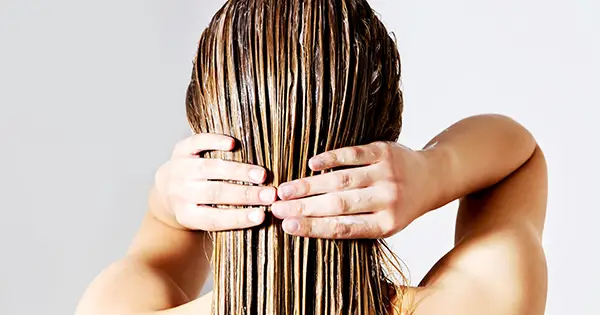
The benefits of a scalp treatment center on cleaning, balancing, and caring for the scalp so it can better support healthy-looking hair. Here are four of the main benefits of scalp treatment:
- Removes product and oil buildup
- Helps reduce dry, flaky skin
- Helps balance scalp comfort and oiliness
- Promotes relaxation through scalp massage
1. Removes Product and Oil Buildup
Styling products, dry shampoo, natural oils (sebum), and dead skin cells can build up on the scalp over time, and regular shampooing doesn’t always clear it. Professional treatments use deeper cleansing and exfoliation to lift away this residue, leaving the scalp feeling noticeably cleaner.
2. Helps Reduce Dry, Flaky Skin
A scalp treatment can lift away dead skin cells that make the scalp look flaky or feel rough, leaving the area smoother and more comfortable. Persistent or severe flaking can have causes beyond dryness, so it’s worth having it checked out if it doesn’t improve.
3. Helps Balance Scalp Comfort and Oiliness
Some scalps run dry, others produce excess oil, and a good treatment matches your scalp type rather than using a one-size-fits-all approach. This isn’t a permanent fix for oil balance, but it can help keep your scalp more comfortable between visits.
4. Promotes Relaxation Through Scalp Massage
Massage is typically built into the treatment, easing tension in the scalp, neck, and shoulders while boosting circulation. These scalp massage benefits, like stress relief and a few minutes of quiet, fit naturally into a regular hair care routine.
Are Scalp Treatments Good for Your Hair?
Scalp treatments can be a helpful addition to a healthy hair care routine, but their main value lies in caring for the scalp itself.
Since hair grows directly from follicles in the scalp, a clean and balanced scalp gives hair a better starting point for growth. Scalp treatments won’t stimulate hair growth, but keeping the scalp itself clean and comfortable is a meaningful part of caring for your hair as a whole.
Scalp Massage, Relaxation, and Headaches
Some people search for scalp massage for migraine relief, so let’s clarify the connection, or lack thereof. Research in this area has focused more on massage as one of several habits people use while managing tension-type headaches, not on migraine specifically, which is a distinct neurological condition with its own causes and treatments.
A relaxing scalp massage at the salon may ease tension and offer a welcome break, but it isn’t a substitute for medical care, and it shouldn’t be treated as a solution for migraine. Anyone dealing with frequent or severe headaches should talk with a healthcare provider about diagnosis and treatment options.
Professional Scalp Treatments vs. At-Home Scalp Care
At-home scalp care handles most of the day-to-day maintenance your scalp needs. A solid hair care routine often includes:
- Regular shampooing
- Scalp-friendly hair products
- Gentle scalp massage
- Consistent, appropriate cleansing habits
Professional treatments build on that foundation with a few things that are harder to replicate at home, such as:
- A professional scalp assessment
- Targeted products suited to your scalp type
- Controlled exfoliation
- Extended massage time
- A service customized to your specific scalp and hair needs
Neither approach replaces the other. At-home care keeps things maintained day to day, while professional visits offer a deeper reset every so often.
When to Consider a Professional Scalp Treatment
A professional treatment can make sense if you’re dealing with frequent product buildup, an oily-feeling scalp, dryness, visible flakes, or you simply want a deeper clean and some time to relax.
That said, a salon service isn’t the right solution for everything. A severely itchy scalp, pain, sores, significant inflammation, sudden or unexplained hair loss, or ongoing dandruff and other suspected scalp conditions are worth having a qualified healthcare professional evaluate rather than addressing through a salon visit alone.
Learning Professional Scalp and Hair Care at Ogle School
Interest in scalp and hair care is often the first step toward a bigger interest: a career in cosmetology. Students in Ogle School’s cosmetology training program build hands-on knowledge of hair and scalp care, shampooing and conditioning techniques, product selection, and how to consult with clients about their needs. Training also covers professional salon sanitation standards, since a clean, safe environment matters as much as technique.
This kind of skill develops through practice, and Ogle students get plenty of it in a student-powered salon setting, working directly with clients under instructor supervision. That said, cosmetology training prepares students to provide salon services, not to diagnose or medically treat scalp conditions.
If you’re weighing whether this path is right for you, our admissions process walks through what to expect, and our financial aid resources page covers funding options worth exploring.
Explore Cosmetology Training at Ogle School
A genuine interest in hair and scalp care can be the starting point for a broader career in cosmetology, including cutting, coloring, styling, and other salon services. Ogle School offers training at campuses across Texas and Georgia, giving students the chance to learn in a hands-on setting close to home.
If you’re ready to see where this path could take you, explore cosmetology training and connect with Ogle School today.

FAQs on Scalp Treatment Benefits
How often should you get a professional scalp treatment?
This depends on your scalp type and lifestyle. Some people benefit from a treatment every few weeks, while others do well with a monthly or occasional visit. A stylist can recommend a schedule based on your scalp’s needs.
What’s the difference between a scalp treatment and regular shampooing?
Regular shampooing cleans the scalp and hair as part of a daily or weekly routine, while a professional scalp treatment typically goes further, with targeted exfoliation, deeper cleansing, and often a massage designed to address specific concerns.
Can scalp treatments help with product buildup?
Yes. Scalp treatments are often used specifically to remove styling product residue, dry shampoo, and natural oils that regular shampooing may not fully clear.
Are scalp treatments suitable for oily hair?
Scalp treatments can be tailored to oilier scalps, focusing on balancing excess oil and removing residue. A stylist can recommend products and techniques suited to your specific scalp type.
Can scalp massage help with headaches or migraines?
Scalp massage may offer temporary relaxation and help ease tension, but it isn’t a treatment for migraine, which is a distinct medical condition. Anyone with frequent or severe headaches should speak with a healthcare provider.
Should you get a scalp treatment if you have dandruff?
Occasional flaking may respond well to gentle exfoliation and cleansing. However, persistent or severe dandruff can have many causes, so it’s worth having a healthcare professional evaluate it rather than relying on salon treatments alone.