

Updated: February 2026
View: 2 Min READ
Looking for a fresh, high‑impact color transformation in 2026? Today’s color trends go far beyond single‑shade tones. Modern hair coloring techniques help add depth, dimension, and movement, allowing you to customize your look while maintaining overall hair health.
Whether you want a soft glow, a bold contrast, or a low‑maintenance color blend, these popular techniques can help you achieve your ideal look. From subtle babylights to dramatic dip‑dyes, here’s a breakdown of the most in‑demand styles.
The terms of hair coloring techniques can seem complicated. Some describe the process, and others describe the resulting look. You’ve probably seen some of these coloring techniques in the evolution of celebrity hairstyles, so let’s break down some of the most popular hair coloring techniques to help you better understand the terms for each style of hair coloring.
Whether you’re scheduling a visit to the Ogle School salon or you’re ready to start training in cosmetology, the hair coloring explanations below will help you understand how to describe the hair coloring technique you envision.
Ombré Hair Coloring Techniques
What Is Ombré?
As we explain in our guide to ombré hair, this color fade uses your natural hair color at the roots and blends into your chosen color at the ends of your hair. Because your natural hair color is at the base of your hair, you won’t have the high-maintenance touch-ups that are necessary with other hair-coloring treatments.
Because the roots remain natural, ombré continues to be a top 2026 choice for clients seeking a low‑maintenance, high‑impact look.
Your ombré can also take a more dramatic approach by fading between two different shades of hair dye.
What Are Ombré Highlights?
Instead of a full ombré, ombré highlights are a subtler option where the faded hair color technique is applied to only small sections of your hair.
Balayge and Sombre Hair Coloring Techniques
What Is Balayage?
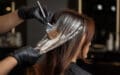
Balayage is a technique that can be used to get an ombré gradient. With this technique, the lightening agent is painted in freehand directly onto the tips of the hair and then feathered upward to the midpoint of your hair. There’s no foil involved.
How Is a Reverse Balayage Different?
The balayage technique can also be applied as a reverse balayage. Instead of starting with a darker color at the base of your hair, a reverse balayage starts with a lighter color and then fades to dark.
What Is Sombré?
A sombré is a subtler version of ombré hair coloring that fades between two colors that are closer in tone. For example, a caramel sombré can fade between two shades of brown, and a blonde sombré can fade from an ash blonde into platinum.
It blends shades that are closer in tone, perfect for achieving a natural‑sunlit effect that aligns with 2026’s softer color trends.
What Is Dip-dyed Hair?
With the dip-dyed hairstyle, color typically goes between two extremes, with little to no midtone or gradient between the two shades.
This high‑contrast technique is trending again in 2026 thanks to its expressive, editorial look popularized on social platforms.
What Are Highlights?
Highlights are sections of hair that are dyed a lighter color. This color variation throughout the hair adds dimension and can accentuate the style of a haircut or the shape of a curl.
Highlights remain a foundational technique for adding shape and enhancing curls or layered cuts.
How Are Babylights and Ribbon Highlights Different?
Babylights
Babylights use ultra‑fine sections placed around the hairline and crown to mimic the soft, natural highlights seen in children’s hair.
Ribbon Highlights
Ribbon highlights are thin, evenly spaced highlights woven throughout the mid‑lengths and ends.
This technique adds gentle pops of light that pair beautifully with waves and curls.
Both babylights and ribbon highlights are a subtler version of highlights. The sections of hair are smaller, which creates a look that’s just as dynamic but less bold than regular highlights.
The placement of the highlights is what makes these two techniques different from each other. With babylights, the thin highlights are placed at your roots and around the edges of your face. Ribbing highlights have thin highlights woven into the lengths of your hair, adding small hints of color throughout.
What Are Lowlights?
Instead of adding selected strands of blondes and lighter shades as with highlights, lowlights deepen the hair color by adding selected strands of darker shades.
Lowlights are especially helpful for adding depth to blondes or refreshing grown‑out color with subtle contrast.
View this post on Instagram#holmeshairstudio #highlights #lowlights #keunecolor #angledbobhaircut #eiss #matrixvlights
What Is Color Melt?
A color-melt hairstyle is a transition between two colors, and it has a flawless gradient. There are no chunks, color variations, or dimensional coloring. Instead, one color melts right into the next for this hair coloring technique.
This seamless gradient helps maintain a natural, healthy look, often used alongside balayage for modern multidimensional color.
What Is Ecaille?
Also known as tortoiseshell, this hair coloring technique creates a soft blend of gold and chocolates throughout the hair. Think of tortoiseshell sunglasses to understand the colors used. There’s also a slight gradient of darker colors used at the roots of your hair, warming to lighter, honey tones at the ends.
Think tortoiseshell sunglasses — deep at the roots, glowing toward the ends. This luxurious technique remains one of the most requested brunette color blends in 2026.
Learn how Ogle School and the Ogle School Salon can help you stay on top of hair-coloring trends.
What hair coloring technique looks the most natural?
Balayage and babylights are considered the most natural‑looking techniques because they mimic how the sun naturally lightens hair and create soft, seamless dimension.
What is the lowest‑maintenance hair color technique?
Ombré, sombré, and reverse balayage require the least maintenance since the natural root is preserved, reducing frequent touch‑ups.
Is balayage still trending in 2026?
Yes — balayage remains a top color trend in 2026 due to its versatility, soft grow‑out, and compatibility with most hair types and textures.
What’s the difference between balayage and highlights?
Highlights use foils to lighten structured sections of hair, while balayage is a hand‑painted technique that creates a softer, more blended result.