


If you’re considering a beauty career, you may be wondering: what do cosmetologists do? Cosmetologists help people look and feel their best through services like hair cutting, coloring, styling, and (in many states) basic skin and nail services.
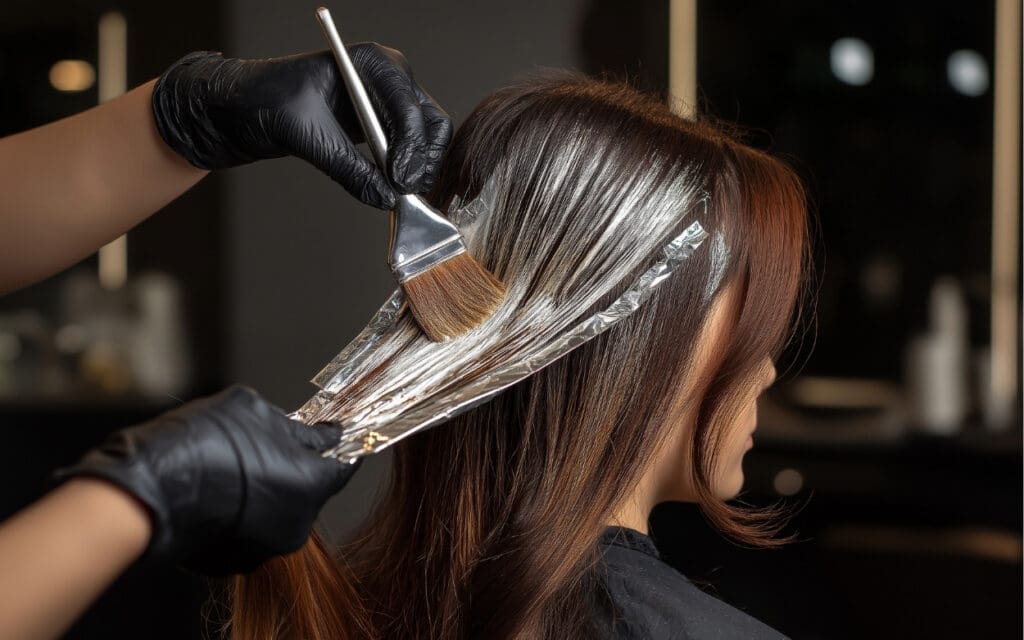
In busy cities like Dallas, Houston, San Antonio, and Atlanta, salons and beauty studios can be fast-paced. If you like working with people, using your creativity, and learning hands-on skills, cosmetology could be a great path to explore.
On this page, we’ll cover:
- What is a cosmetologist (and how it’s different from an esthetician)
- Daily tasks and key cosmetologist responsibilities
- Cosmetologist skills and the skills you can build in training
- How licensing works in Texas and Georgia
- How Ogle School can help you prepare for the next step
What Is a Cosmetologist?
A cosmetologist is a trained beauty professional who provides services like hair cutting, hair coloring, styling, and other beauty services, depending on the state.
Cosmetologists can work in salons, studios, and other beauty settings. The exact services you can perform may change based on state licensing rules, so always check the current rules where you plan to work.
Cosmetologist vs. Esthetician: What’s the Difference?
Cosmetologists often focus mostly on hair, and may also include nails and basic skin services, depending on your state.
Estheticians focus mainly on skincare, like facials and skin treatments, and is usually a separate license. If you love skincare, you can also explore Ogle’s esthetics training.
What Do Cosmetologists Do?
So, what do cosmetologists do in real life? Many cosmetologists offer a mix of services. Here are common areas of cosmetology.
Hair Services
- Haircuts and trims
- Blowouts and styling
- Hair coloring and highlighting
- Chemical texture services, such as perms to create curls or relaxers to smooth and straighten hair (where permitted)
Basic Skin Services
A cosmetologist may also offer services like:
- Basic facials
- Makeup application
Nail Services
Some cosmetologists may also provide:
- Manicures
- Pedicures
Client Consultations
Consultations are a big part of the job. Many cosmetologists:
- Ask questions about the client’s goals
- Look at hair type and condition
- Recommend styles and color options
- Explain at-home care and maintenance
Remember, cosmetology services vary by state. What a cosmetologist can legally do depends on licensing regulations.
What Skills Are Needed to Be a Cosmetologist?
What skills do you need for cosmetology? The answer includes both hands-on beauty skills and people skills.
Here are common cosmetologist skills you can build.
Technical Skills
- Hair-cutting techniques
- Blow-drying and styling methods
- Color formulation and application
- Basic chemical services (where permitted)
- Product knowledge and safe tool use
Soft Skills
- Communication and active listening
- Creativity and a strong sense of style
- Attention to detail
- Customer service
- Time management
- Professionalism and a positive attitude
At Ogle School, you learn these skills through hands-on training in a student-powered salon environment. You practice hair cutting, coloring, styling, and client communication with guidance from instructors, so you can build confidence and complete your state’s licensing requirements.
Cosmetologist Responsibilities
Cosmetology is more than great hair and beauty results. Your day also includes important safety and business tasks. Common cosmetologist responsibilities include:
- Performing services safely and professionally
- Cleaning and sanitizing tools, stations, and sinks
- Complying with all state licensing board rules
- Managing appointments and staying on schedule
- Processing payments
- Rebooking clients for future visits
- Building strong client relationships
- Recommending products (when appropriate)
- Learning new trends and techniques over time
In fast-paced salon environments in cities like Dallas or Atlanta, strong organization and time management are especially important.
What Does a Cosmetologist Do on a Daily Basis?
A cosmetologist’s day can change based on where they work and what services they offer. Here’s a simple example of what a typical day might look like:
- Review your schedule and prep your station
- Welcome clients and do a quick consultation
- Perform services like cuts, color, or styling
- Clean and sanitize tools between clients
- Check out clients and recommend at-home care
- Rebook appointments for touch-ups or trims
- Update your portfolio with new work (photos or notes)
Some cosmetologists also spend time building their personal brand online. In school, you may learn ways to present your work and talk about your services in a professional way.
Where Do Cosmetologists Work?
Cosmetologists can work in many settings, such as:
- Independent salons
- Chain salons
- Boutique studios
- Resorts and spas
- Freelance work (where allowed)
- Suite or booth rental (for experienced professionals, depending on state rules)
- In the entertainment industry
Work environments vary. Some places are calm and quiet. Others are high-energy and busy.
State Licensing in Texas and Georgia
Licensing rules can change, so it’s smart to confirm current requirements with your state board.
Both Texas and Georgia require applicants to meet the following requirements to become a licensed cosmetologist:
- Complete a state-approved cosmetology training program.
- Complete the defined number of training hours specified by your state.
- Pass the state’s licensing exam.
Requirements can be updated over time, so always verify the latest rules. Ogle School can help you understand the steps and what to expect during training.
How Long Does It Take to Become a Licensed Cosmetologist?
How long it takes depends on your state’s licensing requirements and your schedule. Some students prefer a faster pace, while others choose part-time.
At Ogle School, scheduling options may include day and evening classes and Monday–Friday availability (options can vary by campus). Our admissions office can help you choose a schedule that fits your life.
Can a Cosmetologist Work Independently or Open Their Own Salon?
Many cosmetologists dream about running their own business one day. Depending on state and local rules, cosmetologists may explore options like:
- Booth or suite rental
- Freelance work
- Working toward salon ownership or management
Building business skills takes time, practice, and planning. That’s why some training programs include lessons on topics like professional habits, client experience, and basic business foundations.
Do Cosmetologists Need Continuing Education to Stay Licensed?
Some states require continuing education for license renewal, and some do not. Even when it’s not required, many professionals keep learning so they can:
- Stay current on trends and techniques
- Improve speed and confidence
- Learn new services or tools
Always check your state board for the most current license renewal rules.
Is Cosmetology a Good Career Choice?
Cosmetology can be a good fit if you want a career that’s:
- Creative and hands-on
- Resilient Industry
- People-focused
- Flexible and Adaptable
- Emotionally Rewarding
- Built on skills you can keep improving
Like any career, success depends on many factors, including your effort, the local job market, and the choices you make after training. But if beauty is your passion, cosmetology is a path worth exploring.
How Ogle School Prepares Future Cosmetologists
At Ogle School, we focus on hands-on learning in a salon-like setting. You can practice real skills with support from instructors and build confidence step by step.
Here are a few ways our training can support you:
- Student-powered salon experience to practice services in a real-world environment
- Training designed to support state licensing requirements
- Exposure to business basics through Prosper U
- Wellness focus through our Vitality Project
- Career support resources through Ogle Talent (support and guidance—no guarantees)
- Portfolio-building support through Beautista
If you’re in Texas, you can choose a campus near major metros, including Dallas, Houston, and San Antonio. We also have an Ogle School campus in Atlanta, Georgia.
Take the First Step Toward a Career in Cosmetology
If you’re ready to learn more about cosmetology training in Texas or Atlanta, Georgia, we’re here to help. Request information to explore schedules, campus options, and what training could look like for you.
FAQ
A cosmetologist is trained mainly in hair services and may also learn basic nail and skin services depending on state rules. An esthetician focuses mainly on skincare services and usually holds a different license.
Many cosmetologists review their schedule, consult with clients, perform services like cuts, color, and styling, sanitize tools between clients, and rebook appointments. Daily tasks can vary by salon and state.
Cosmetologist skills often include hair cutting, styling, and coloring, plus soft skills like communication, customer service, creativity, and time management.
It depends on state requirements and whether you attend full-time or part-time. Ogle School offers schedule options that may include day and evening classes (availability varies by campus).
Common cosmetologist responsibilities include performing services safely, following sanitation rules, managing appointments, staying on time, building client relationships, and continuing to learn over time.
Depending on state and local rules, some cosmetologists may explore freelance work, booth or suite rental, or working toward salon ownership. Business skills and experience can be important for independent paths.
Some states require continuing education for renewal, while others may not. Many cosmetologists still keep learning to stay current with trends, tools, and techniques.
Cosmetology can be a good choice if you enjoy creativity, working with people, and hands-on learning. Career outcomes vary, but training can help you build skills for many salon and beauty settings.